
uPVC Doors & Windows
uPVC Doors & Windows Products
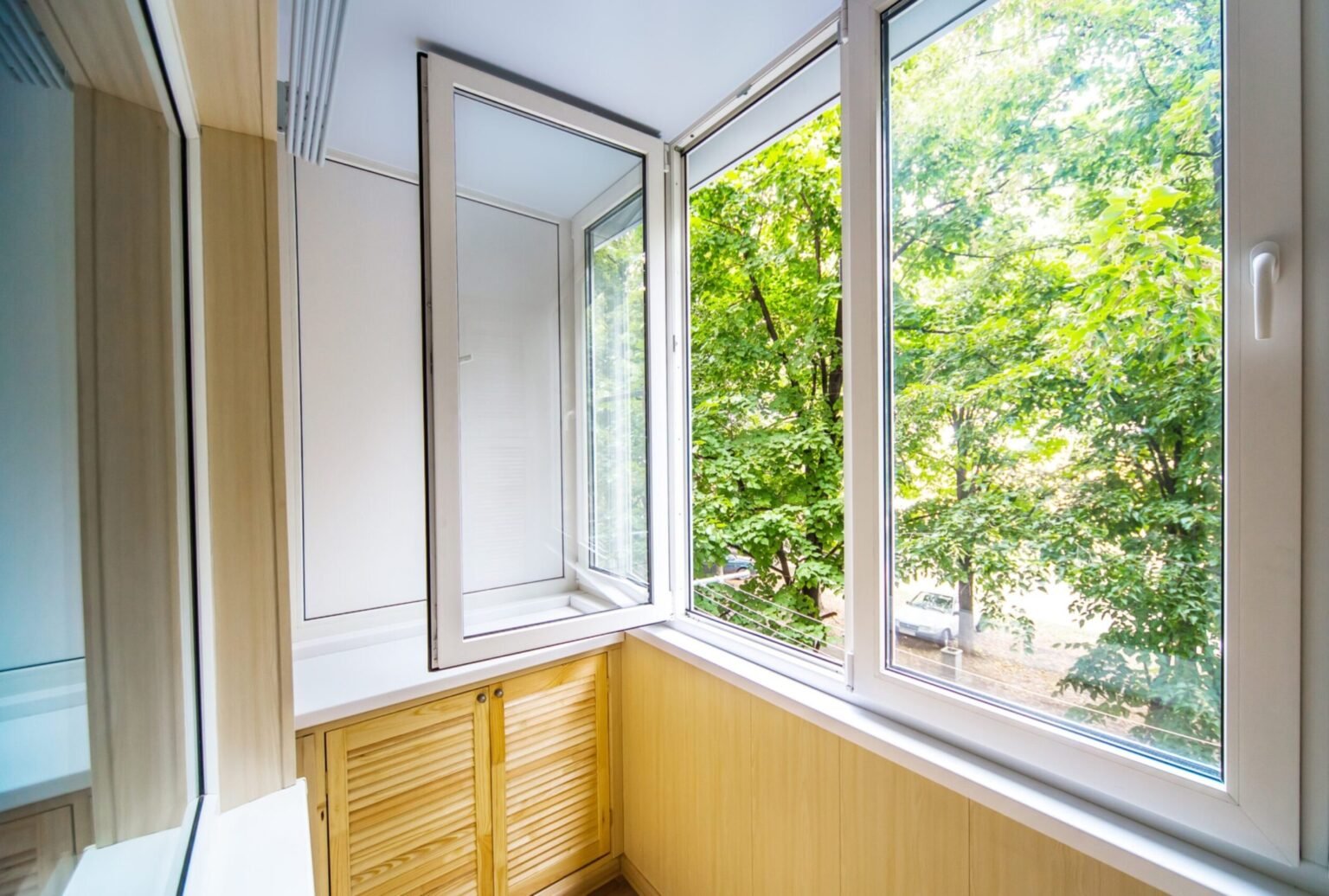
uPVC stands for Unplasticized Polyvinyl Chloride, a rigid and durable type of plastic used primarily for window and door frames. Unlike standard PVC, it does not contain plasticizers, making it stronger and more resilient to weather, moisture, and UV rays. uPVC windows are favored for being low-maintenance, energy-efficient, long-lasting, and a good alternative to traditional materials like wood and aluminum
uPVC stands for Unplasticized Polyvinyl Chloride, a rigid and durable type of plastic used primarily for window and door frames. Unlike standard PVC, it does not contain plasticizers, making it stronger and more resilient to weather, moisture, and UV rays. uPVC windows are favored for being low-maintenance, energy-efficient, long-lasting, and a good alternative to traditional materials like wood and aluminum
Key features of uPVC
-
Rigid and durable:
The unplasticized nature gives it a strong and rigid structure, making it resistant to warping and cracking over time.
-
Weather-resistant:
It withstands various weather conditions, including rain, wind, and UV exposure, and is unaffected by rust and mold.
-
Energy-efficient:
uPVC frames provide a strong insulating layer to help keep heat out and noise out.
-
Low-maintenance:
Unlike painted wood, uPVC does not require frequent repainting and can be cleaned easily with a soft cloth and soapy water.
-
Cost-effective:
It is often a more economical choice compared to hardwood or aluminum.
-
Eco-friendly:
It is a recyclable material and helps reduce the demand for timber, which can help prevent deforestation.
-
Customizable:
uPVC windows come in various designs, such as casement, sliding, and tilt-and-turn, and are available in a range of colors.